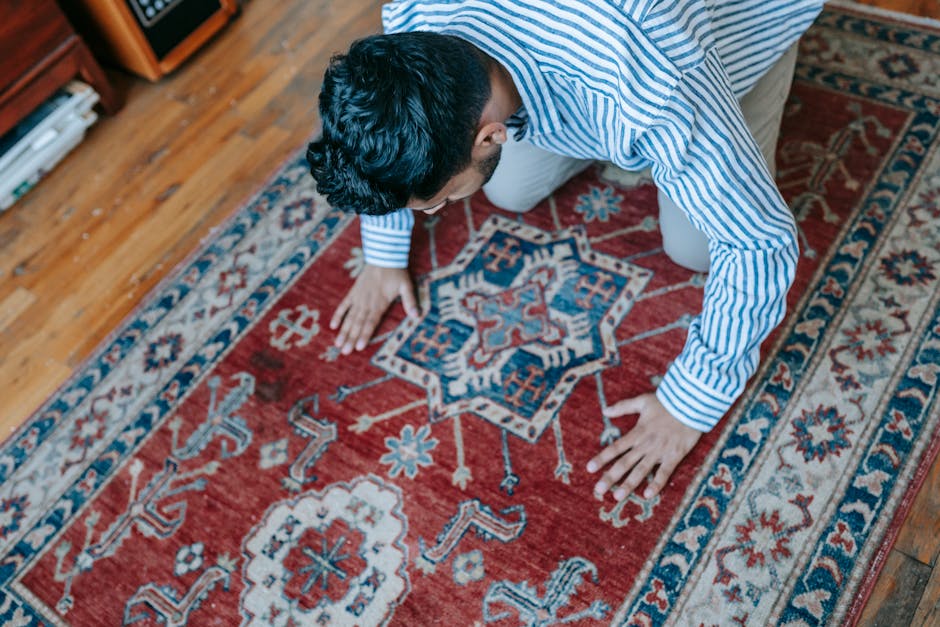
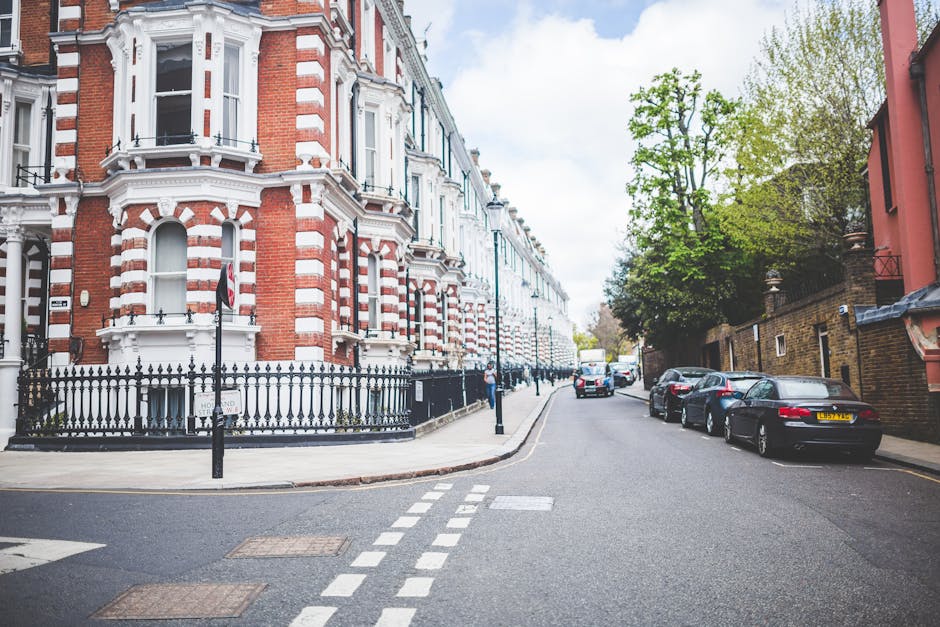
Abbeville Road rug cleaning and stain removal tips
If you live near Abbeville Road, you already know how quickly a rug can go from looking smart to looking a bit tired. One spilled coffee, a muddy footprint after a wet London afternoon, maybe a pet accident that happened while you were out for twenty minutes. That's usually all it takes. The good news? With the right Abbeville Road rug cleaning and stain removal tips, you can handle most everyday marks calmly, protect delicate fibres, and decide when a deeper clean is the safer move.
This guide is written for real homes and real messes. It explains what works, what can go wrong, and how to treat different stains without making them worse. You'll also find a practical step-by-step process, a comparison of cleaning approaches, and a checklist you can actually use. If you want a broader overview of fibre-safe methods, it can also help to look at professional rug cleaning and the wider advice on stain removal.
Let's be honest: most rug damage does not happen all at once. It builds up quietly. A little abrasion here, a failed spot test there, and before you know it the colour looks dull and the pile feels rough underfoot. That's why a steady, sensible routine matters more than frantic scrubbing. And yes, there is a right way to blot a stain. There really is.
Table of Contents
- Why Abbeville Road rug cleaning and stain removal tips Matters
- How Abbeville Road rug cleaning and stain removal tips Works
- Key Benefits and Practical Advantages
- Who This Is For and When It Makes Sense
- Step-by-Step Guidance
- Expert Tips for Better Results
- Common Mistakes to Avoid
- Tools, Resources and Recommendations
- Law, Compliance, Standards, or Best Practice
- Options, Methods, or Comparison Table
- Case Study or Real-World Example
- Practical Checklist
- Conclusion
- Frequently Asked Questions
Why Abbeville Road rug cleaning and stain removal tips Matters
Rugs do a lot of work in a home. They soften a room, absorb sound, and anchor the furniture so a space feels finished rather than temporary. On a busy street like Abbeville Road, with shoes coming in from rain, pavements, and the occasional takeaway spill, rugs also take on more than people expect. That is why good care is not just about appearance. It's about preserving the structure of the rug itself.
Different rug fibres react very differently to moisture, agitation, and cleaning products. Wool can felt if it is rubbed too hard. Cotton can hold onto stains if they are pushed deeper into the weave. Synthetic fibres are often more forgiving, but even they can warp, brown, or hold odours if cleaned badly. In practice, the biggest issue is not the stain alone. It is the combination of stain, time, and the wrong cleaning method.
There's also a comfort factor. A clean rug makes a room feel calmer. You notice it in the morning light, or late in the evening when the lamp is on and everything looks a little softer. A stained rug does the opposite. It quietly nags at you. That is a small thing, maybe, but small things matter in a home.
For households with pets, children, or lots of visitors, routine care can also delay expensive replacement. And if you are balancing rugs with other soft furnishings, you may find it useful to think about the rest of the room too, especially upholstery cleaning and sofa cleaning, since stains often travel further than one surface.
How Abbeville Road rug cleaning and stain removal tips Works
At its simplest, rug cleaning is about removing soil while protecting the fibres, dye, backing, and underlay. Stain removal is a bit more specific: you are targeting a spill, spot, or mark before it bonds fully with the rug. The process usually has three stages: identify the material, choose the least aggressive safe method, and dry the area thoroughly so no residue remains.
That identification stage is more important than most people think. Is the rug wool, synthetic, silk, viscose, jute, or a blend? Is the stain water-based, oily, protein-based, or dye-based? A cup of tea, for example, behaves very differently from red wine. Pet urine is its own beast entirely because you are dealing with both staining and odour. If you want a focused approach for that kind of issue, the advice on pet stain and odour removal is especially relevant.
In real life, you rarely get a perfect cleaning scenario. Most people notice a stain after it has already begun to dry. So the practical method is not magical. It is measured. Blot first. Test gently. Work from the outside in. Use minimal liquid. Repeat if needed. Then dry properly, because a damp rug left on a wooden floor can create new problems very quickly. Slightly annoying, but true.
Where a stain has settled deep into the pile, or where the rug is large, antique, hand-knotted, or particularly valuable, a deeper process may be needed. A controlled hot-water extraction or other professional-grade treatment can be much safer than guesswork. In many homes, that is the difference between a small success and a costly mistake.
Key Benefits and Practical Advantages
Good rug care offers more than a neat-looking floor. It helps the whole room feel cleaner, and it can slow the wear that usually starts in high-traffic areas first. If you live on or near Abbeville Road, that matters because hallway grit, damp weather, and everyday foot traffic tend to build up faster than people realise.
- Better appearance: colours stay brighter and the rug looks more balanced overall.
- Longer lifespan: fibres hold up better when soil and residue are removed early.
- Less odour retention: especially important for food spills and pet accidents.
- Reduced risk of permanent staining: the quicker you act, the better the odds.
- Safer for delicate rugs: proper treatment reduces fibre distortion and dye bleed.
There is also a practical home-management benefit. Once you know how to respond to a spill, you stop panicking. That sounds small, but it changes outcomes. People who freeze over a stain often reach for the wrong thing, which is usually where trouble starts. Panic and baking soda are not a cleaning strategy. Just saying.
Another advantage is consistency. A simple routine-vacuuming, rotation, prompt spot treatment, and periodic deep cleaning-gives you more predictable results than occasional "big cleans" after the rug has already suffered. If your rug sits in a lounge, dining space, or hallway, that routine pays off quietly over time.
Who This Is For and When It Makes Sense
This guidance is useful for anyone who wants to keep rugs looking decent without making assumptions about the fabric. But it is especially helpful if you have one of these situations:
- you have a wool or wool-blend rug and want to avoid felting or shrinkage
- you have a light-coloured rug that shows every mark
- you are managing pet messes, food spills, or children's accidents
- you rent a property and want to keep the place in good condition
- you own a handmade or textured rug and need a more careful approach
It also makes sense if you are trying to decide between a quick home treatment and a professional clean. A small coffee ring on a synthetic rug is one thing. A spreading stain on a viscose rug is another. The first might respond to careful blotting and a mild solution. The second can go sideways very fast. Viscose can be especially unforgiving, and to be fair, it catches people out all the time.
If you are comparing services or planning a wider refresh around the home, the pages on carpet cleaning and steam carpet cleaning may also help you understand how different surfaces are handled.
Step-by-Step Guidance
The most reliable rug stain routine is simple, but it needs discipline. Rushing is what causes damage. Here is a practical sequence that works for many everyday spills.
- Act quickly, but calmly. Lift solids first if needed. Use a spoon or a dull edge, not a knife.
- Blot, don't rub. Press with a clean white cloth or paper towel to absorb liquid. Rubbing pushes the stain deeper and can fray the pile.
- Test any solution in a hidden area. This is non-negotiable for coloured or delicate rugs.
- Use the mildest safe cleaner first. A little cool water or a fibre-safe cleaner is often enough for fresh water-based stains.
- Work from the outside edge inward. That helps stop the stain spreading.
- Use small amounts of liquid. Over-wetting can damage backing, underlay, or the floor beneath.
- Blot again with a dry cloth. Keep removing moisture until the area feels only slightly damp.
- Dry with airflow. Open a window, use a fan, or raise the rug slightly where safe.
For oily or greasy stains, the process changes a little. You often need to lift residue carefully before adding moisture. For tea, coffee, wine, or juice, prompt blotting matters more than chemistry. For pet accidents, odour control becomes part of the job, which is why targeted advice such as pet stain odour removal can be very useful.
One small but important detail: never assume a stain has gone just because the surface looks lighter while still damp. Many stains reappear as the rug dries. That little trick has humbled plenty of confident DIY attempts.
Expert Tips for Better Results
The difference between an acceptable clean and a genuinely good one often comes down to small habits. In our experience, these are the details that make the biggest difference.
- Use white cloths rather than coloured ones. Dye transfer from a towel is the last thing you need.
- Rotate rugs regularly. This reduces uneven fading and traffic wear.
- Vacuum gently but often. Dry soil acts like sandpaper underfoot.
- Be careful with viscose and silk blends. They may look robust, but they are not very forgiving.
- Do not overwrite the stain with repeated cleaner. Residue can attract more dirt.
- Dry fully before putting furniture back. Damp fibres can flatten or develop marks.
If a rug smells musty after a spill, the issue is often trapped moisture rather than the stain itself. That is where patience matters. Air movement, careful drying, and avoiding over-wetting will usually do more good than another round of product. A rug that feels clean but still smells off is telling you something, and it's worth listening.
Another useful habit is keeping a small cleaning kit ready: white cloths, a soft brush, mild cleaner, gloves, and a note of the rug's fibre type if you still have the label. People rarely think to keep that label. Then they need it. Human nature, really.
Common Mistakes to Avoid
Some cleaning mistakes are so common they almost count as tradition. Best to avoid them.
- Scrubbing aggressively: this can distort the pile and spread the stain.
- Using too much water: saturation can damage backing and prolong drying time.
- Applying random household chemicals: bleach, strong solvents, and mixed products can create permanent marks.
- Skipping the spot test: one small hidden test area can save a rug.
- Letting a stain sit for days: older stains bond more firmly and become harder to remove.
- Ignoring the fibre type: what works on nylon may ruin wool or viscose.
Another sneaky mistake is cleaning only the stain and leaving a hard edge around it. That can create a "clean spot" effect that looks almost worse than the original mark. The goal is to blend the treatment carefully, not advertise where the accident happened.
If you have already tried a few products and the rug looks patchy, stop there. At that point, more product usually adds risk rather than value. This is often where a professional opinion becomes the sensible next step.
Tools, Resources and Recommendations
You do not need a cupboard full of products to treat most rug stains well. A modest, thoughtful kit is usually enough.
| Tool or item | Why it helps | Best use |
|---|---|---|
| White microfibre cloths | Absorbent and easy to inspect for dye transfer | Blotting spills and drying after treatment |
| Soft brush | Helps lift pile gently without harsh scraping | Light cleaning after spot treatment |
| Vacuum cleaner with adjustable suction | Removes dry soil before it grinds into fibres | Routine maintenance and pre-clean prep |
| Fibre-safe cleaning solution | Lower risk of dye damage or residue build-up | Fresh stains and controlled spot cleaning |
| Fan or open-air drying space | Supports faster drying and reduces odour risk | After any damp treatment |
For homes with mixed soft furnishings, it can be smart to think holistically. A stain on a rug often coincides with marks on nearby furniture, curtains, or mattresses. If that sounds familiar, the related guidance on curtain cleaning, mattress cleaning, and upholstery cleaning can help you plan a more complete refresh.
When choosing a professional service, ask about fibre type, stain history, drying approach, and whether the method is suitable for hand-made or delicate rugs. You may also want to review pricing and quotes so you know what the process generally includes before booking.
Law, Compliance, Standards, or Best Practice
For most household rug cleaning, there is no special legal framework beyond general consumer and property expectations. Still, best practice matters, especially where valuable rugs, rental properties, or public-facing spaces are involved. A careful cleaner should be able to explain what is being used, what risks exist, and how they minimise them.
If you are hiring someone in the UK, it is sensible to expect clear communication, appropriate care for your property, and sensible handling of cleaning products. For landlords and tenants, keeping rugs in good condition can also help avoid disputes about wear, misuse, or avoidable damage. That said, each case is different, and it is always better to be fair-minded about normal wear and tear.
Good practice also includes safety awareness. Wet floors can be slippery, and strong products should be used carefully, especially around children and pets. A reputable cleaner should take those points seriously. If you want more detail about how a company approaches this, the pages on health and safety policy and insurance and safety provide useful context.
There is also a sustainability angle. Over-cleaning, over-using product, and throwing away rugs too early all create avoidable waste. Thoughtful maintenance is usually the greener option. If that matters to you, the company's recycling and sustainability information is worth a look.
Options, Methods, or Comparison Table
Not every rug or stain needs the same method. Here is a simple comparison that may help you decide what makes sense.
| Method | Best for | Strengths | Limitations |
|---|---|---|---|
| Quick blotting and mild spot cleaning | Fresh spills on sturdy rugs | Fast, low-cost, easy to do at home | Less effective on old or deep-set stains |
| Targeted stain treatment | Specific marks like tea, food, or pet accidents | More precise and effective than blanket cleaning | Requires the right product and careful testing |
| Full professional rug cleaning | Large rugs, delicate fibres, multiple stains, odours | Safer for complex jobs, more thorough finish | Costs more than DIY and may need drying time |
| Steam-based cleaning | Suitable synthetic rugs and some resilient pile rugs | Deep soil removal and refreshed appearance | Not suitable for every fibre; water control matters |
For many households, the best answer is a hybrid one: handle fresh spills yourself, then schedule a deeper clean when the rug starts to look dull or hold onto odours. That approach is often more practical than waiting for a disaster. And it avoids the classic "I'll deal with it at the weekend" trap. We've all been there.
Case Study or Real-World Example
Imagine a wool blend rug in a front room near Abbeville Road. A guest spills tea, it is noticed ten minutes later, and the stain has already started to dry at the edges. The instinct might be to scrub with hot water and a strong cleaner. That would probably make things worse.
Instead, the better response is simple. First, blot the spill gently. Then test a mild solution in a hidden corner. Use a small amount of liquid, work from the outer edge of the tea mark inward, and dry the area with airflow. If the stain lightens but does not disappear, stop before overworking the fibres. A clean-looking patch that feels rough is not really a win.
Now imagine a different scenario: a pet accident on a synthetic rug in a busy family room. The immediate issue is not just colour but odour. In that case, a careful stain-and-odour treatment is usually needed, followed by proper drying. If the smell lingers after the first attempt, it is often because the urine reached deeper layers than the surface alone suggested. That is exactly the kind of situation where a specialised approach saves time and frustration.
The pattern is pretty consistent. Fresh, small stains can often be handled at home. Older, larger, or odour-heavy stains deserve more caution. Simple enough, but easy to ignore when you are in a hurry.
Practical Checklist
Use this quick checklist before and after you treat a rug stain.
- Identify the rug fibre if you can
- Check whether the stain is fresh, dry, oily, or odorous
- Test any solution on a hidden area
- Blot first, never rub
- Use the smallest safe amount of liquid
- Keep cleaning motions gentle and controlled
- Dry the rug thoroughly after treatment
- Recheck once dry for any stain reappearance
- Vacuum lightly only after the rug is fully dry
- Escalate to a professional clean if the stain remains or the fibre looks distressed
Quick takeaway: the safest rug cleaning approach is usually the least dramatic one. Slow down, test first, and use just enough treatment to solve the problem without flooding the fibres.
If your rug needs more than a quick spot treatment, or if you want help choosing the safest method for a delicate piece, it may be worth speaking to a specialist. For a broader view of the company's approach and service details, you can also visit about us and then decide what feels right for your home.
Get a free quote today and see how much you can save.
Conclusion
Good rug care is not about doing everything yourself or never touching a stain until someone else handles it. It's about knowing the difference between a manageable spill and a problem that needs expert attention. With the right Abbeville Road rug cleaning and stain removal tips, you can protect colour, preserve texture, and keep your home feeling calm rather than constantly one step away from a disaster.
Start with the basics: blot, test, treat gently, and dry properly. Avoid rushing. Avoid over-wetting. And if a stain looks stubborn, don't keep fighting it with whatever happens to be under the sink. That usually ends badly, honestly. A careful, patient approach will give you better results more often than not.
And if the rug is special, sentimental, or simply not cooperating, that's fine too. Some jobs deserve a steadier hand. A well-cared-for rug can stay part of a home for years, and that's worth doing properly.
Frequently Asked Questions
What is the safest first step for a fresh rug stain?
Blot the stain immediately with a clean white cloth or paper towel. Do not rub. Rubbing pushes liquid deeper into the fibres and can spread the mark.
Can I use hot water on rug stains?
Not usually as a first move. Hot water can set certain stains, especially protein-based ones or some dyes. Cool or lukewarm water is often safer, depending on the fibre and stain type.
How do I know if my rug is too delicate for DIY cleaning?
If it is silk, viscose, antique, handmade, loosely woven, or you are unsure about the fibre, be cautious. Delicate rugs can react badly to moisture and friction, so a professional approach may be better.
Why does a stain sometimes come back after drying?
That usually happens when residue remains in the fibres or backing. As the moisture rises to the surface, the stain becomes visible again. It's frustrating, but common.
Are household stain removers safe for all rugs?
No. Some products are too strong for wool, natural fibres, or dyed rugs. Always spot test first and use only fibre-safe products when you are not certain.
What should I do if a rug smells after a pet accident?
Act quickly, blot well, and use a treatment designed for both stain and odour. Odour often means the liquid reached deeper than the surface, so drying is just as important as cleaning.
How often should rugs be professionally cleaned?
It depends on traffic, fibre type, pets, and how much soil the rug collects. Many homes benefit from occasional professional cleaning rather than waiting until the rug looks obviously dirty.
Can vacuuming damage a rug?
It can if the suction is too aggressive or the rug is very delicate. Use a suitable setting, avoid harsh beater bars on fragile rugs, and vacuum gently but regularly.
What stains are hardest to remove from rugs?
Old dye stains, ink, red wine, pet urine, and some oily spills are often difficult. The longer a stain sits, the more likely it is to bond with the fibres.
Should I clean the whole rug or just the stain?
For small fresh spills, targeted cleaning is usually best. For widespread soiling, odours, or a patchy appearance, a full clean may give a more even result.
How can I stop rug stains from getting worse while I wait for help?
Blot the area gently, keep it dry, and avoid using random products. If possible, protect the area from foot traffic until you can deal with it properly.
Is professional rug cleaning worth it for an everyday rug?
Often, yes. If the rug gets heavy use, sits in a busy room, or has already picked up a few stubborn stains, professional cleaning can extend its life and improve the overall finish.