What to know about emergency carpet cleaning in Clapham
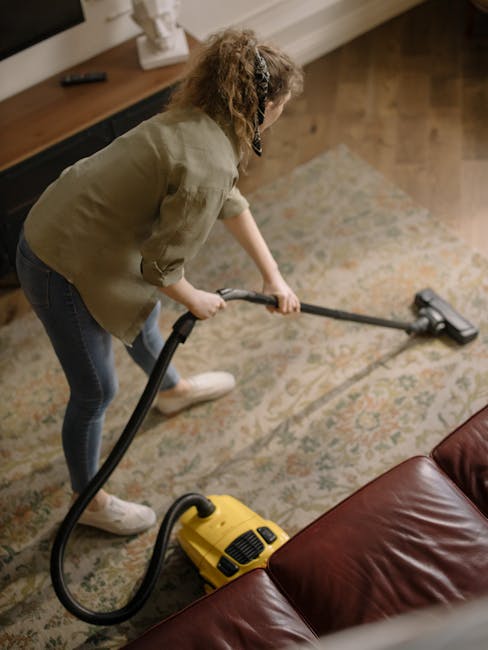
If you have a sudden spill, a pet accident, muddy footprints after a rainy London evening, or an all-out upholstery disaster that has reached the carpet, you do not need a lecture. You need clear answers, fast. That is exactly what this guide on What to know about emergency carpet cleaning in Clapham is for: what counts as an emergency, what happens when a cleaner is called out quickly, what to do in the first ten minutes, and how to avoid making the problem worse while waiting for help.
Clapham homes, flatshares, rentals, offices, and busy family spaces all run into the same issue now and then. Someone drops red wine on a pale carpet. A radiator leak leaves a damp patch. A dog has a moment. Or the end-of-tenancy deadline arrives at the worst possible time, as these things always seem to do. The good news? With the right approach, a lot of carpet damage can be reduced significantly if it is handled promptly and sensibly.
This article covers the practical side of emergency carpet cleaning in plain English: how it works, when it makes sense, what to expect, and which mistakes people make when panic kicks in. You will also find a checklist, a comparison table, and a few straightforward tips that actually help in real life.
Why emergency carpet cleaning in Clapham matters
Carpet problems feel small at first. Then, twenty minutes later, they are not small anymore. A spill can spread under the fibres, a stain can set, and moisture can start affecting the underlay. In a place like Clapham, where homes are often busy, compact, and used hard, quick action matters because there is usually not much spare time or space to let a problem sit and hope for the best.
The main reason emergency carpet cleaning matters is simple: carpets are absorbent. Once a liquid sinks in, the visible mark is only part of the issue. Underneath, you may be dealing with residue, odour, dye transfer, or moisture trapped deeper in the pile. That can lead to a stain that comes back after drying, or a smell that lingers even when the surface looks fine. Annoying, yes. Also very common.
There is another reason too: timing affects outcomes. In many cases, the sooner a cleaner can assess the material, the stain type, and the carpet fibre, the better the result. Wool, synthetic blends, and delicate rugs all respond differently. A quick response does not guarantee perfection, but it gives you a far better chance of saving the carpet instead of replacing it.
For rented homes and managed properties, speed can also help avoid disputes. Landlords, tenants, and agents often care less about the backstory than about whether the carpet is restored in a timely way. If you are dealing with a broader property clean-up, it can help to look at related services such as professional carpet cleaning or, where fabrics are affected too, upholstery cleaning.
Expert summary: If the spill is fresh, act quickly, keep it from spreading, and avoid rubbing. The first few minutes matter more than most people realise. Not glamorous, but true.
How emergency carpet cleaning works
Emergency carpet cleaning is not magic, and it is not just a deeper version of a normal clean. It is a faster, more targeted service designed to deal with a specific problem before it becomes a lasting one. The process usually starts with a quick assessment, either over the phone or on arrival. A cleaner will want to know what was spilled, how long ago it happened, what type of carpet you have, and whether the area is safe to treat straight away.
From there, the cleaner will decide on the right approach. That might include blotting, controlled extraction, stain pre-treatment, deodorising, spot removal, or hot water extraction if the carpet can handle it. For some incidents, dry methods are better. For others, moisture has to be introduced carefully to pull contamination out of the fibres. There is no single universal fix, which is why a good cleaner asks questions before reaching for equipment.
In practical terms, the process often looks like this:
- Identify the stain or damage type.
- Test the carpet fibre and colour stability.
- Apply a suitable pre-treatment.
- Lift residue, moisture, or contaminants.
- Rinse or extract as needed.
- Speed up drying to reduce secondary issues.
- Check the result and repeat only where safe.
The drying stage is easy to overlook, but it is a big part of emergency work. A carpet that stays damp too long can develop odour, wick stains back up, or simply feel unpleasant to use. In a flat in SW4 on a damp evening, that extra drying push can make all the difference.
If the issue is more specific, such as a pet accident or persistent smell, a targeted option like pet stain and odour removal may be more appropriate than a general clean. Same goes for individual high-value pieces, where rug cleaning may need a different method altogether.
Key benefits and practical advantages
There are obvious benefits to emergency carpet cleaning, and then there are the ones people only appreciate after the fact. The obvious one is stain reduction. The less obvious one is peace of mind. When a spill happens, the room can feel messy, chaotic, slightly out of control. Getting it handled professionally settles things down fast.
Here is what good emergency carpet cleaning can do:
- Prevent a fresh spill from becoming a permanent stain
- Reduce odours before they settle into the underlay
- Limit spread into adjacent carpet fibres or seams
- Protect the appearance of a rental or commercial space
- Improve hygiene after food, drink, mud, or pet accidents
- Save time compared with repeated DIY attempts
There is also a material benefit: carpet fibres can be damaged by the wrong home remedy. Scrubbing too aggressively can rough up the pile or spread the stain wider. A fast professional treatment is often less invasive than repeated guesswork, which is a relief if the carpet is expensive or already shows wear.
Commercial spaces in Clapham, especially those with customer traffic, have an extra stake in speed. A stained waiting area or office corridor does not just look untidy; it can change how a business feels to visitors. For those situations, commercial carpet cleaning is worth considering alongside emergency response.
Who this is for and when it makes sense
Emergency carpet cleaning is not only for disasters. Truth be told, many callouts are about fairly normal incidents that just need a quick, careful response. If you are wondering whether your situation counts, ask one simple question: is time working against me?
This service makes sense for:
- Tenants facing a move-out inspection or handover
- Landlords dealing with a sudden stain between occupancies
- Homeowners who have had a spill, leak, or pet accident
- Families with children, where accidents are part of life
- Offices, shops, and clinics that need a clean appearance quickly
- Anyone who has tried blotting and now thinks, "Right, this is getting worse"
It is especially useful when the carpet is light-coloured, expensive, wool-rich, or laid across a larger living area where a small mark becomes visually annoying very fast. It also makes sense when you are dealing with more than one surface. A drink spill on carpet can splash onto a sofa, curtains, or mattress. In those cases, combining treatments may be more efficient than sorting each item separately.
Sometimes the most sensible next step is to choose a broader clean after the emergency has been stabilised. For example, if a spill has spread, you may need help with sofa cleaning, curtain cleaning, or even mattress cleaning if contamination reached nearby furnishings.
Step-by-step guidance
Let's keep this practical. If you need emergency carpet cleaning in Clapham, the first hour matters more than the perfect method. Here is a grounded step-by-step approach you can use before, during, and after the cleaner arrives.
1. Stop the spread
Do not walk the spill through the room. If it is a liquid, place a clean absorbent towel over it and gently press. If it is a solid mess, lift what you can without grinding it in. Simple. Not fancy.
2. Blot, don't scrub
Scrubbing can push the stain deeper and rough up the fibres. Pressing and lifting is usually safer. Rotate cloths so you are always using a dry section. If the cloth keeps picking up colour, stop and let the professional assess it.
3. Avoid mixing chemicals
People often try one thing, then another, then another. That is where trouble starts. Vinegar, bicarbonate of soda, bleach, washing-up liquid, stain sprays-mixed together, they can make matters worse or leave residue that attracts soil later.
4. Note what caused the damage
Was it wine, coffee, bleach, mud, paint, pet urine, or plain water from a leak? That detail helps the cleaner choose the right treatment. If you are not sure, say so. Guessing is fine if you are a detective in a novel. Not so useful on a carpet.
5. Keep the area ventilated
Open a window if weather and security allow. Light airflow helps reduce dampness. If you have heating on, keep it sensible rather than blasting hot air directly at one spot. Overheating can set some stains or damage fibres.
6. Take a photo before further cleaning
This can be helpful for tenants, landlords, or insurance discussions. A quick photo records the condition before more treatment is attempted. It is also useful if you later need to explain what happened to a cleaner.
7. Book the right service
If the problem is urgent, say so clearly when enquiring. Mention the stain type, carpet fibre if known, room size, and whether anyone in the property has sensitivities to scents or chemicals. If price is a factor, check pricing and quotes so you understand what may influence the cost.
A little organisation here saves a lot of stress later. To be fair, emergencies feel less chaotic once the first sensible steps are done.
Expert tips for better results
Good results are often about small decisions, not one dramatic fix. A few practical habits can improve your chances of a full recovery.
- Act within minutes, not hours if possible.
- Test first, clean second when using any product at home.
- Use white cloths or plain towels so dye does not transfer.
- Keep children and pets away from the treated area until it is dry.
- Tell the cleaner if the carpet is wool, synthetic, or delicate.
- Ask about drying time, especially if the room must be used again the same day.
One small but important tip: do not assume a stain has disappeared just because it looks lighter while wet. A lot of stains reappear once the carpet dries. That is especially true with sugary drinks, coffee, and pet accidents. A decent cleaner will often explain this upfront, which is a good sign. They are not trying to be pessimistic; they are being honest.
If odour is part of the issue, ask whether treatment can be paired with targeted deodorising rather than just surface cleaning. Also, if you are trying to compare a full steam process with spot work, have a look at steam carpet cleaning for the difference in approach. Sometimes steam is ideal; sometimes it is too much. Depends on the carpet, really.
Common mistakes to avoid
People tend to make the same handful of mistakes when a carpet gets damaged. It is understandable. Nobody keeps a perfect stain-removal plan on the fridge. But these are the ones that usually cause the most trouble.
- Rubbing hard and spreading the mark wider
- Using too much water, which can drive contamination deeper
- Applying random household products without testing
- Leaving a damp carpet to "sort itself out"
- Waiting too long because the stain seems small at first
- Over-wetting the underlay, which can create odour later
- Trying to treat delicate fibres the same way as synthetic carpet
Another quiet mistake is not being specific when asking for help. "There's a stain" is too vague. Better to say, "It's red wine on a cream carpet near the living room door, about 30 minutes old." That sort of detail lets a professional respond more effectively.
And yes, a lot of people try to hide the problem under a rug or furniture until later. A charming idea in theory. Not so brilliant once moisture has had time to settle in.
Tools, resources and recommendations
You do not need a warehouse of products to handle an emergency carpet issue. In fact, fewer tools, used well, is usually better than a cupboard full of half-finished cleaning experiments.
Useful basics to have on hand include:
- Clean white towels or absorbent cloths
- A blunt spoon or scraper for solids
- Gloves, especially for pet-related accidents
- A small fan for airflow, used sensibly
- Plain water for initial blotting when appropriate
- A phone camera to document the damage
For readers who want to understand the wider service range, it can help to compare emergency spot treatment with related options such as stain removal and routine carpet cleaning. Spot treatment tackles an incident; routine cleaning helps maintain the carpet between incidents. They overlap, but they are not identical.
It is also worth checking practical policies before booking any cleaning service. Pages such as insurance and safety, health and safety policy, and terms and conditions can help you understand what a provider expects, how they work safely, and what is included. Not glamorous reading, but very useful.
Law, compliance, standards, or best practice
Emergency carpet cleaning is not a heavily regulated niche in the way some trades are, but best practice still matters. In the UK, responsible cleaning providers should work in a way that protects occupants, staff, and property. That means sensible chemical use, safe handling of equipment, clear communication about limitations, and respect for access, privacy, and property condition.
For tenants and landlords, the practical side often matters more than legal theory. Documenting damage, communicating quickly, and using a reputable provider can reduce misunderstandings. If a property is managed, a clear paper trail around the damage and the cleaning response can be very helpful. Nothing dramatic, just tidy records.
From a safety perspective, a few common-sense standards are worth expecting:
- Products should be used according to the surface and fibre type.
- Electric equipment should be handled safely around moisture.
- Work areas should be made safe for children and pets during drying.
- Any strong smell, residue, or unresolved dampness should be explained honestly.
You may also want to ask how waste water or removed contamination is handled, especially in larger or commercial jobs. A provider with a sensible approach to recycling and sustainability and transparent business practices usually gives better peace of mind overall. And if you care about payment security, there is nothing odd about checking payment and security before you book.
Options, methods, or comparison table
Not every emergency carpet issue calls for the same method. Here is a straightforward comparison to help you think it through.
| Method | Best for | Strengths | Limitations |
|---|---|---|---|
| Blotting and absorbent treatment | Fresh spills, initial response | Fast, low-risk, helps stop spread | Usually not enough on its own for set stains |
| Spot stain removal | Targeted marks like wine, coffee, food | Precise, efficient, less disruptive | May not remove deep odour or moisture |
| Steam or hot water extraction | Soiled carpets, general deep cleaning after an incident | Can lift residue and refresh fibres | Not ideal for all materials or all emergencies |
| Odour treatment | Pet accidents, damp or sour smells | Helps with lingering smell rather than just appearance | Should be matched to the underlying cause |
| Full-room carpet cleaning | When the issue has spread or the room needs a reset | Consistent finish across the area | May be more than you need for a single small stain |
If you are unsure which route to choose, ask what the cleaner recommends after they hear the details. A good provider will not force the biggest service if a smaller one is enough. They should be able to explain why one method is safer or more effective than another.
Case study or real-world example
Here is a realistic example from a typical Clapham flat. A tenant had friends over on a Friday evening, and a glass of red wine tipped onto a light carpet in the sitting area. The spill was noticed quickly, but the first reaction was to rub at it with a kitchen cloth. That made the stain spread into a wider patch, especially at the edges.
Once the panic settled, they blotted the area gently with dry towels, avoided adding more products, and called for emergency help. The cleaner assessed the fibre type, treated the stain in stages, and used controlled extraction rather than soaking the area. A fan and open window helped drying, and the smell was gone by the next day. Not perfect, but much better than the original fear suggested.
The key lesson was simple: speed helped, but restraint helped just as much. The stain was fresh enough to improve well, yet it could easily have become a permanent shadow if they had kept scrubbing. That happens all the time. People mean well, they really do.
In another case, a small leak near a hallway edge left a musty patch that looked minor at first but kept returning. The visible dampness disappeared, then reappeared after the carpet dried. That kind of situation is where emergency carpet cleaning is about more than cosmetics. It is about removing moisture before it turns into a longer-term smell or fibre issue.
Practical checklist
Use this quick checklist if you need to act now. It keeps things calm, and calm is underrated when there is a stain on the floor and your stomach has just dropped.
- Identify the spill or damage source
- Keep people and pets off the area
- Blot gently with clean absorbent cloths
- Avoid scrubbing or mixing chemicals
- Allow light airflow where possible
- Take a clear photo of the damage
- Note the time the incident happened
- Check whether the carpet fibre is known
- Contact a cleaner and explain the situation clearly
- Ask about drying time and any aftercare steps
- Review relevant service information before booking
If the carpet is part of a larger clean-up, it can also help to ask whether neighbouring fabrics need attention too. Sometimes the best result comes from treating the whole area thoughtfully rather than chasing one stain at a time.
Conclusion
What to know about emergency carpet cleaning in Clapham comes down to a few practical truths: act fast, avoid panic-cleaning, use the right method for the material, and be honest about what happened. Fresh spills are easier to manage than old ones. Moisture should never be left to linger. And sometimes the most helpful thing you can do is stop, blot gently, and let an experienced cleaner take over before the problem becomes a bigger one.
Whether you are a tenant trying to protect a deposit, a landlord dealing with a sudden mess, or a homeowner who just wants the room back to normal, a prompt and well-handled response can save time, money, and a fair bit of stress. That is especially true in busy Clapham households where life does not pause just because a carpet has had a rough afternoon.
Get a free quote today and see how much you can save.
And if nothing else, remember this: a bad carpet day is usually just a bad carpet day. It can be handled.
Frequently Asked Questions
How fast should I call for emergency carpet cleaning after a spill?
As soon as you can. The first few minutes are the most useful, especially for liquids, food stains, and anything with strong colour. Even if you have already blotted the area, calling early gives the cleaner a better chance of reducing the stain and preventing odour.
Can I clean the carpet myself before the cleaner arrives?
Yes, but keep it gentle. Blot with clean towels, remove solids carefully, and avoid scrubbing or adding several cleaning products. If you are unsure, less is more. A small, careful response is usually safer than a big improvised one.
What kinds of carpet problems count as an emergency?
Fresh wine spills, pet accidents, water leaks, heavy mud, food stains, and any issue that may set quickly or smell later can count as urgent. In a busy home or rental, even a small stain can become a bigger problem if it is left too long.
Will emergency carpet cleaning remove every stain?
Not always. Some stains, especially those involving dye, bleach, or older contamination, may only improve rather than disappear completely. A good cleaner should be honest about that. Better to hear the truth early than get unrealistic promises.
Is steam cleaning always the best option?
No. Steam or hot water extraction is useful in many cases, but not every carpet or stain should be treated that way. Delicate fibres, certain dyes, and some spot problems need a more controlled method. The right answer depends on the carpet and the incident.
How long does a carpet usually take to dry after emergency cleaning?
Drying time varies by carpet type, treatment method, room ventilation, and how wet the fibres became. Some carpets dry fairly quickly; others need longer. Ask about drying time before the work starts so you can plan the room use properly.
Can emergency cleaning help with pet odours?
Yes, if the treatment is matched to the source of the odour. Pet accidents often need more than surface cleaning because the smell can soak deeper into the pile or underlay. Targeted pet stain and odour treatment is usually better than a general clean alone.
What should I tell the cleaner when I book?
Tell them what caused the stain, when it happened, the approximate size of the affected area, and whether the carpet is wool, synthetic, or delicate if you know. Mention pets, children, ventilation limits, or any time pressure too. The more useful detail you give, the better.
Will emergency carpet cleaning damage my carpet?
A careful professional should aim to protect the carpet, not harm it. Problems usually arise when the wrong product or method is used, or when a stain is aggressively scrubbed at home first. Ask about the approach and make sure the cleaner understands the fibre type before work begins.
Is it worth booking emergency carpet cleaning for a small stain?
If the stain is fresh, noticeable, or likely to set, yes, it can be worth it. Small spills sometimes spread, and small odours can become stubborn. It is often cheaper and easier to deal with a fresh issue than to wait until it becomes a permanent mark.
What if the carpet has both a stain and a smell?
Then you need a treatment that addresses both. Surface appearance and odour do not always match, so a stain can look manageable while the smell keeps hanging around. Tell the cleaner both issues are present so they can choose the right method.
How do I know if I need a full carpet clean instead of spot treatment?
If the stain is widespread, the carpet looks generally dirty, or the spill has left a larger damp area, a broader clean may be more effective. Spot treatment works best for isolated incidents. A full clean makes more sense when the whole room needs a reset, or the issue has spread beyond one point.